
Have you ever wondered:
- “Why do I pull away or cling tighter when things get tense in my relationship?”
- “Why do I sometimes feel needy, or too much, or not enough?”
- “Why do I crave intimacy, but freeze or shut down when someone gets too close?
These questions aren’t signs that you’re broken.
They’re signs that your attachment system, the part of your brain designed to keep you safe in relationships, is doing exactly what it learned to do.
From your earliest moments of reaching out for comfort and protection, your nervous system began building a blueprint: 1
- A roadmap for love.
- A plan for connection.
- A story about what you can expect from others… and what it means to need them.
And like Google Maps, your attachment system updates its programing based on the roads you’ve traveled, especially the heartbreak, neglect, inconsistency, or unmet emotional needs. 2
Attachment Theory Is the Architect of Adult Intimacy
In every relationship, your attachment system asks the same questions, over and over:
- “Will you be there when I need you?”
- “Do I matter to you?”
- “Can I be my full self with you… and still be loved?”
If the answer has ever felt uncertain, your brain likely developed protective strategies such as protest behaviors, emotional shutdowns, chasing, avoidance, over-functioning, or pulling away. Each strategy is a response to the fear of disconnection. 3
These strategies aren’t flaws. They’re adaptations.
And they make perfect sense once you understand romantic relationships through the lens of attachment theory.
This Page Is Your Roadmap To Secure Love
Together, we’ll explore:
- What attachment styles are and how they form
- How insecure attachment shows up in adult relationships (and why it’s not your fault but is your responsibility)
- Why your protective moves may be blocking the very intimacy you crave
- How to shift your attachment patterns toward security, trust, and emotional freedom
Because your current attachment style isn’t your destiny. It’s your starting point.
And no matter what insecure roads you’ve taken before you can find your path to secure connection.
Table of Contents
- What is the Attachment System?
- Attachment Styles are Adaptations
- Why We Protect Instead of Connect
- Negative Reinforcing Relationship Patterns
- The Hope for Change
- 5 Steps to Heal toward Secure Love
🧭 Section 1: What Is the Attachment System?
Your attachment system is your brain’s emotional navigation tool. It’s shaped early life through interactions with caregivers. In adulthood it is the program that guides how you seek closeness, regulate emotion, as well as strategies you use to protect yourself from hurt or danger. 4
Imagine it like Google Maps:
- 📍 Your current emotional distress is “Point A”
- 🛣️ Your destination is “felt security”
- 🧠 Your brain chooses a route based on past experiences
Just like Google Maps reroutes around traffic, your attachment system has adapted to your environment. If you grew up in a setting where emotional support was inconsistent or unavailable, your brain learned how to survive by continuing to pursue inconsistent connection or by withdrawing from unavailable connection—not necessarily how to thrive. 5
This is why you might:
- Panic when someone pulls away
- Push love away when it gets too close
- Get stuck in patterns of overthinking or numbing
Your attachment system isn’t broken. It’s adapted. And it can evolve to become secure again with the right tools.
Read More About Attachment Theory for Adults

🧬 Section 2: Attachment Styles Are Adaptations
Your attachment style reflects how emotionally safe and supported you felt in early relationships, especially during moments of stress or vulnerability. Over time, you develop internal “mental models” of yourself and others, aka your relational GPS, that shape how you navigate closeness, autonomy, and emotional needs in adult relationships. These attachment scripts influence how you think, feel, and behave in connection with others, including how you express vulnerability, respond to intimacy, and protect yourself from emotional pain.6
Research on attachment styles have condensed the complexity of attachment theory into four main styles:7
| Attachment Style | Comfort with Closeness | Autonomy | Expressing Needs | Emotional Expression | Core Fear |
|---|---|---|---|---|---|
| 🔐 Secure | Comfortable with intimacy and independence | Balanced | Open and direct | Regulates and shares emotions well | Disconnection during real rupture |
| 🌊 Anxious (Preoccupied) | Craves closeness, fears abandonment | Struggles with autonomy | Expresses needs, often indirectly (e.g., protest) | Intense and sensitive | Being unloved, left, or not prioritized |
| 🏔️ Avoidant (Dismissive) | Prefers distance, may find closeness overwhelming | Strong desire for space | Suppresses or minimizes needs | Restrained or shut down | Loss of self, seen as inadequate or a failure, being controlled |
| ⚡ Fearful (Disorganized) | Desires intimacy but fears rejection | Push-pull dynamic | Hesitant or confused in expressing needs | High emotional reactivity or numbness | Being hurt by those they depend on |
These aren’t fixed labels. They’re adaptive responses—and with time, reflection, and support, they can shift towards secure.
Read More About Attachment Styles
⚙️ Section 3: Why We Protect Instead of Connect
When our early environment didn’t consistently meet our emotional needs, our attachment system learned to prioritize protection over vulnerability.8
If we do not receive new experiences of secure attachment to reshape these protective strategies, we continue relying on the same patterns that helped us cope in childhood but often prevent our partners from seeing our vulnerability and needs in adult relationships. Like the picture below, our protective self is turning away from each other, even though our hearts yearn for connection.

“I guard myself by not exposing my vulnerabilities… but I also prevent you from being able to see me and respond to me.” —Veronica Kallos-Lilly & Jennifer Fitzgerald, An Emotionally Focused Workbook for Couples
Enter protective attachment strategies.
- Anxious partners might pursue, criticize, or over-function to avoid abandonment.
- Avoidant partners might detach, intellectualize, or downplay to avoid rejection or failure.
These protective moves help us survive, but they block the very thing we want most: closeness and a sense of being loved as we are.
Shame and distrust often live within these protective strategies.
- “If I show you how much I need, you’ll leave.”
- “If I open up, you’ll see how flawed I am.”
- “You won’t really care, so I won’t even try.”
With our attachment history and shame present, it makes sense why insecure attachment styles have difficulty with emotional vulnerability.
Why would I show you my deepest fear when I tell myself that doing so will cause your love to go away?
The problem is not sharing our vulnerabilities, turns our protective strategies into a prison where we feel stuck and can find ourselves in negative reinforcing relationship patterns that make it even harder to express vulnerability.
Read More About Protective Attachment Strategies
🔄 Section 4: Negative Reinforcing Relationships
Some relationships become emotional loops, where both partners’ protective strategies activate and reinforce each other each other’s deepest relationship fears.9
Example: Anxious-Avoidant Cycle
- Partner A feels lonely → reaches out via anxious protest “You like your phone more than me.”
- Partner B feels overwhelmed and thinks here we go again, I’ve failed them → shuts down
- A feels abandoned → protests louder
- B feels attacked → withdraws further
Each person is trying to protect themselves and the relationship, but the way they try to do that triggers the other.
Other common loops:
- 🔁 Avoid–Avoid: both partners numb, distract, or stay busy to avoid tension but feel disconnected and unfulfilled.
- 🧨 Attack–Attack: both partners lead with criticism or control, trying to force connection through confrontation.
In these loops:
- Vulnerability is hidden
- Needs go unmet
- Old attachment wounds get reactivated
These patterns aren’t a result of personality flaws. They’re protective attachment strategies clashing.
Your partner is not the enemy. Instead, your negative communication cycle is the enemy. Destructive words and behaviors are the enemy. For relationship change to happen, we need to move away from the idea that partners are enemies who must protect themselves from each other. Once you accept this reframe, you can start to see how even the relationship behaviors that look the most vicious on the outside are in fact cries for security and closeness. —Julie Menanno, Author of Secure Love
Read More About Negative Reinforcing Relationship Patterns
🌱 Section 5: The Hope for Change
The attachment system is not set in stone. It’s plastic, meaning it can change through new secure attachment experiences, reflection, and emotionally attuned relationships.10
With support, you can:
- Heal past wounds
- Rewire protective strategies into connecting strategies
- Develop a secure inner sense of self without shame of being too much or not enough
- Experience closeness that is peaceful and comforting
Read More About Changing Attachment Styles
🛠️ Section 6: 5 Steps to Heal Toward Secure Love
1. Understand Your Attachment Strategies
- Identify how you tend to react when you feel disconnected
- Reflect on early caregiving experiences that shaped your reactions
Read More About Attachment Strategies
2. Recognize Your Protective Moves and Deeper Needs
- Ask: “What is this protecting?” beneath every shutdown or protest
- Get curious about the fear or longing beneath the behavior
Read More About Moves and Needs
3. Heal Past Attachment Wounds
- Take an online course or complete exercises in books in my bookstore
- Work with a therapist to process early emotional injuries
- Practice self-compassion and inner reparenting
Read More About Attachment Wounds
4. Cultivate Self-Trust and Emotional Vulnerability
- Begin sharing vulnerable feelings, even when uncertain
- Track moments of emotional safety, aka “glimmers,” and let them reshape your internal model
Read More About Self-Trust
5. Practice Secure Communication & Boundaries
- Express needs clearly, without blame
- Use boundaries to protect connection—not to control it
- Honor both your needs and your partner’s equally
Read More About Secure Communication
📚 Attachment Theory in Romantic Relationship Resources
🎧 Courses
- The Secure Attachment Path: How Attachment Styles Impact Your Romantic Relationships: If you’re ready to break free from anxious pursuit, avoidant distancing, or painful relationship cycles, The Secure Attachment Path gives you a clear, compassionate roadmap to lasting security, trust, and intimacy. Start building the love you’ve always longed for, both inside and out.
📖 Books
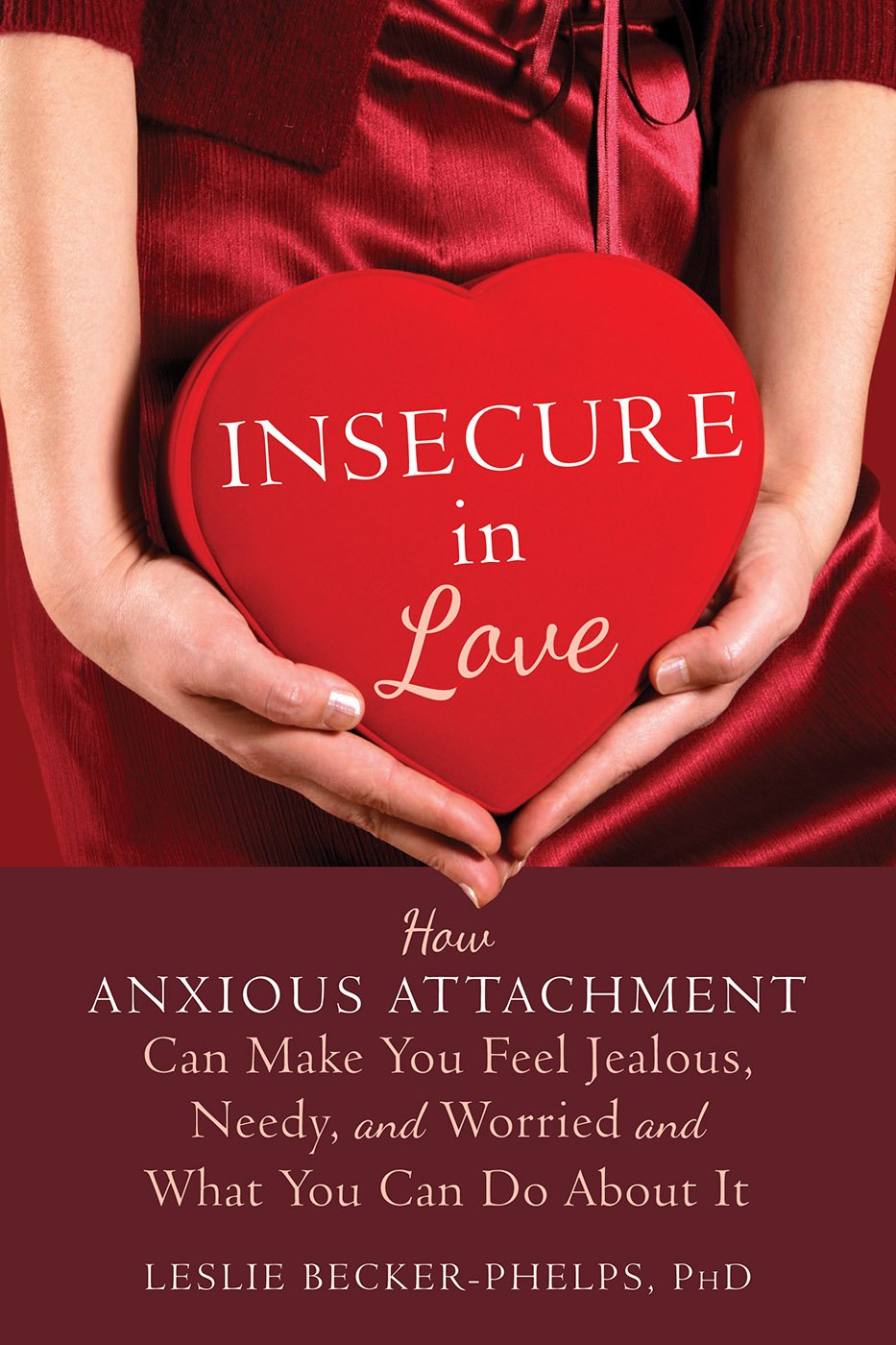
Your attachment system is like a relational GPS, it shapes how you connect, cope, and seek closeness. These foundational books explain anxious, avoidant, and secure attachment styles so you can break old cycles and build safer love.

Also appears in: 📚 Kyle’s Top 10 Must-Reads




Interview: Becoming More Secure
Also appears in: 📚 Kyle’s Top 10 Must-Reads


Also appears in: 📓 Workbooks

Also appears in: 📚 Kyle’s Top 10 Must-Reads
🧠 Therapy Options
Emotionally Focused Therapy (EFT)
Work with a trained EFT therapist to heal attachment injuries, deepen emotional responsiveness, and move through conflict cycles.
→ Find a therapist through ICEEFT
Gottman Method Therapy
Science-backed couples therapy focused on friendship, conflict management, and shared meaning.
→ Search the Gottman Referral Network
Work with Me
If you’re located in Washington State or Florida, I offer EFT therapy for individuals and couples ready to grow closer, heal patterns, and deepen their connection.
References
- Mikulincer, M., & Shaver, P. R. (2016). Attachment in adulthood: Structure, dynamics and change (2nd ed.). The Guildford Press. ↩
- Waters, H. S., & Waters, E. (2006). The attachment working models concept: Among other things, we build script-like representations of secure base experiences. Attachment & Human Development, 8(3), 185–197. https://doi.org/10.1080/14616730600856016 ↩
- Johnson, S. M. (2008). Hold me tight: Seven conversations for a lifetime of love. Little, Brown Spark. ↩
- Shaver, P. R., Collins, N. L., & Clark, C. L. (1996). Attachment styles and internal working models of self and relationship partners. In G. J. O. Fletcher & J. Fitness (Eds.), Knowledge structures in close relationships: A social psychological approach (pp. 25–61). Erlbaum. ↩
- Bartholomew, K., & Horowitz, L. M. (1991). Attachment styles among young adults: A test of a four-category model. Journal of Personality and Social Psychology, 61, 226–244. ↩
- Mikulincer, M., & Shaver, P. R. (2016). Attachment-related mental representations of self and others. In Attachment in adulthood: Structure, dynamics, and change (2nd ed., pp. 227–263). Guilford Press. ↩
- Bartholomew, K., & Horowitz, L. M. (1991). Attachment styles among young adults: A test of a four-category model. Journal of Personality and Social Psychology, 61, 226–244. ↩
- Mikulincer, M., Shaver, P. R., & Pereg, D. (2003). Attachment theory and affect regulation: The dynamics, development, and cognitive consequences of attachment-related strategies. Motivation and Emotion, 27, 77–102. ↩
- Johnson, S. M. (2008). Hold me tight: Seven conversations for a lifetime of love. Little, Brown Spark. ↩
- Johnson, S. M. (2019). Attachment in action: Changing the face of 21st century couple therapy. Current Opinion in Psychology, 25, 101–104. ↩